Your Coach, Maike E. Sommer
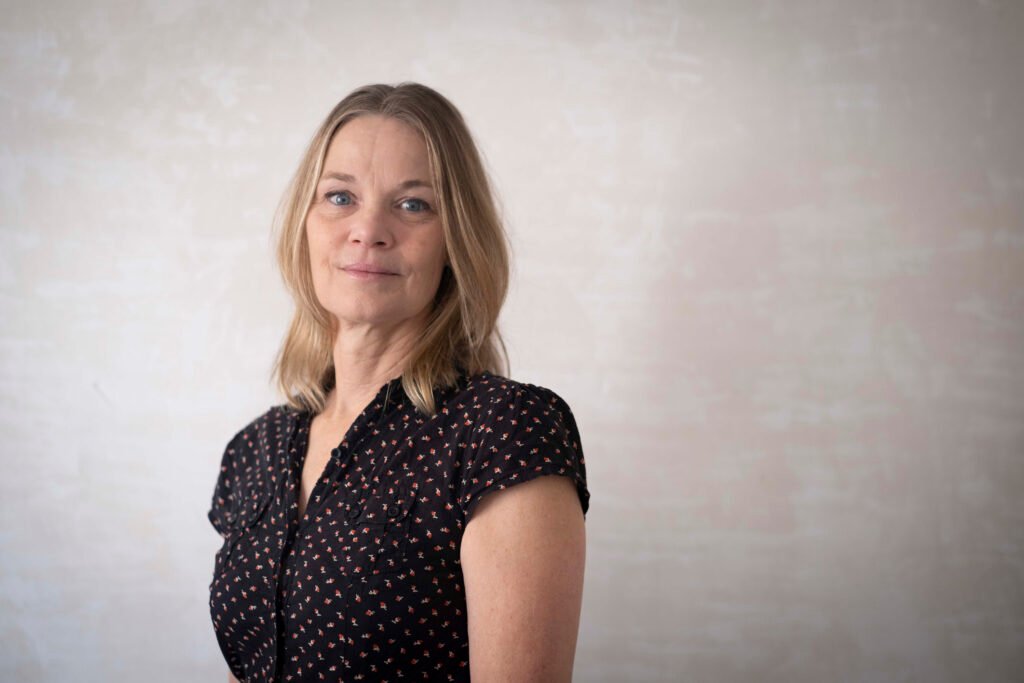
PLEASED TO MEET YOU!
If you have found your way to this page, you are probably interested in learning more about my background. Here you will find a brief summary of my professional qualifications and experience, and I would be happy to share how I came to work as a coach.
I was born in Germany and in the 1990s studied Spanish and French linguistics, literature, and sociology in Bielefeld and Alicante. After completing my studies, I worked in various internationally active companies, gaining valuable experience in marketing, internal and external corporate communication, and team building.
Twenty-three years ago, I moved for personal reasons to a small Dutch town by the sea, where I lived happily for ten years. I look back on this period with great fondness. During that time, I founded my own translation agency and began working as a freelance translator in five languages, initially for private clients and soon for renowned Dutch and German agencies as well as direct clients. In 2011, I finally took the step to my current home in Spain, where I still live.
After 20 years of working in my dream profession as a translator, dedicating myself to my great passion for language and communication, I gradually experienced a kind of professional fatigue. I no longer enjoyed my work; I felt unmotivated, burned out, and bored, moving through my days mostly on autopilot. I started procrastinating, spending more and more time on the internet, even when I had little interest in what I was viewing. I slept poorly, was unfocused and tense. To meet deadlines, I often had to work nights, weekends, and holidays, investing ever more time into my translations to deliver the quality my clients expected.
I became aware that I was missing a sense of purpose in my work. Translating websites, marketing materials, or training documents no longer fulfilled me; everything felt superficial and empty.
During this period, I began asking myself questions: What else do I want to achieve? What would I do if there were no limitations? Which area attracts me most? What talents do I have, and which professional path aligns best with my values? The answer was always the same: I wanted to work with people, provide support, contribute, and do something that could make a difference for someone. What if I became a coach?
However, this also meant starting over at 52 years old. Naturally, the thought was frightening, but at the same time, I felt a renewed passion, all the puzzle pieces falling into place, and the decision was already made internally before I dared to say it out loud. I walked a fine line between passion and panic, realizing I needed both to pursue my goal.
It took me several months to find a school that met my standards. Because coach is not a protected title, countless workshops and weekend seminars (Become a coach in 3 days) are offered, promising to teach all the necessary qualifications in a very short time. Personally, I am not a fan of such crash courses, because to meet the responsibility towards coachees, a thorough and intensive training is essential. That is why I consciously sought an academy and program accredited by the International Coaching Federation (ICF) and strictly following their code of ethics.
My choice fell on the InnerKey Coaching Academy in Madrid, where I have since earned my Master’s degree as a Professional Transpersonal and Executive Coach. I currently work for the academy, guiding future coaches through their individual coaching processes.
LINGUISTICS, SOCIOLOGY, AND TRANSPERSONAL COACHING
Although I initially thought my three fields of study had little to do with each other, my linguistic and sociological knowledge have proven extremely valuable in coaching, as both linguistics and sociology deal with human interaction.
For example, communication analysis in linguistics examines what language and nonverbal expressions can reveal about the speaker. Word choice, tone of voice, gestures, and facial expressions tell us a lot about the speaker’s feelings about the topic, their relationships with the people they are talking about, their interest in the subject, and more. Glances, silences, stop-words, body posture—everything carries meaning.
Similarly, interaction models in sociology focus on human behavior in social situations. They help us recognize rules, patterns, and social roles and understand why communication succeeds or fails.
Both fields help me as a coach to read between the lines, perceive nuances, and identify dynamics, allowing me to better understand what truly moves the coachees—even when they themselves may not yet be able to articulate it. This makes it easier to identify and address internal blocks, unspoken issues, or recurring relational patterns.